
Jeong: A philosophy of connection and healing
Jeong is a Korean concept that speaks to the warmth, affection, and emotional bond that grows between people through shared experiences and time.
I chose jeong as the central theme of my practice because I believe that this kind of connection is at the heart of therapy. It’s the foundation from which to explore your inner life and practice new ways of relating. And when that occurs, healing and change naturally emerge.
About Me
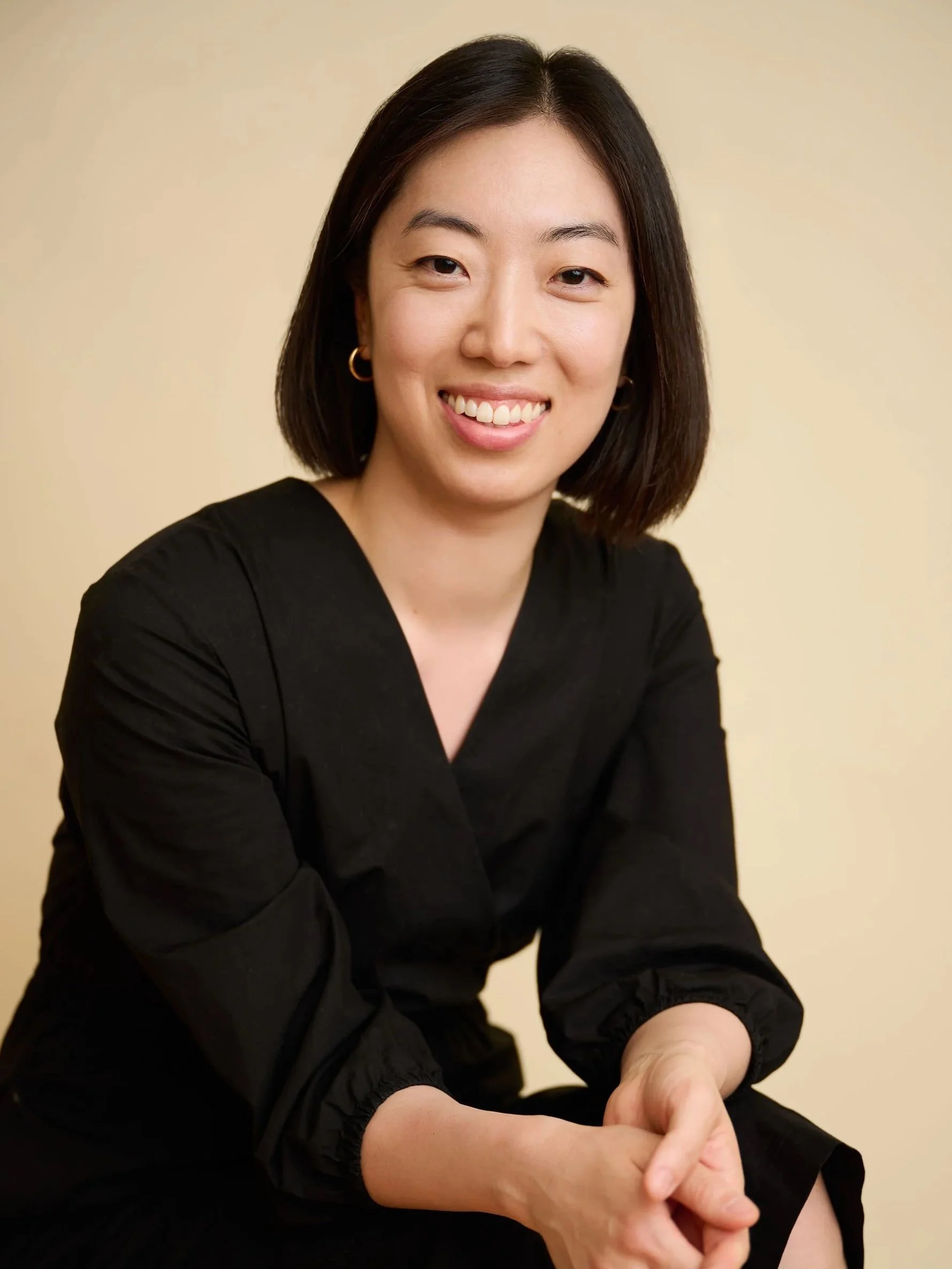
I work with adults who want to understand themselves, their relationships, and the patterns that shape their lives.
I’m especially drawn to working with people navigating questions of identity, belonging, family, and the lasting effects of difficult experiences. I welcome women, BIPOC and LGBTQIA+ individuals, immigrants, relinquished and adopted people, traumatized and displaced people, and those whose life experiences don’t fit into the mainstream.
I’m interested in how our early relationships, family histories, and cultural and social worlds shape the ways we view ourselves and connect with others.
I bring warmth, curiosity, and compassion to my work. My hope is to create an environment where you can feel seen and understood, including the parts of yourself that may be difficult to share elsewhere. I enjoy making room for people’s unique personality dynamics, history, and complexity.
My approach
My approach is integrative, collaborative, and psychodynamic, drawing from attachment theory, psychoanalytic theory, mindfulness, and somatic awareness. I approach therapy with curiosity about the mind and the experiences that shape people.
First, therapy can help people feel better through self-understanding. As we come to know ourselves more fully, new possibilities for relating and living emerge.
Second, therapy can help people change through emotional experience. This goes beyond making sense of one’s past or understanding something intellectually. Change comes from experiencing yourself in a new way in the therapeutic relationship.
Education and clinical training
I received my Master of Social Work from the University of Michigan. My clinical training includes psychodynamic and psychoanalytic psychotherapy, internal family systems (IFS), cognitive behavioral therapy (CBT), dialectical behavior therapy (DBT), and sensorimotor psychotherapy.
I have pursued additional training in psychoanalytic theory, which continues to inform my understanding of how our experiences, relationships, identities, and histories shape who we are. I draw from all of these approaches thoughtfully and flexibly, depending on who’s in front of me and what they’re needing.
Starting therapy
Starting therapy can feel like a big step. An initial consultation gives us a chance to talk about what brings you to therapy, what you’re hoping for, and whether my approach feels like a good fit.
If you’re curious about what therapy might look like for you, I invite you to get in touch.